
Dhofar · Beachfront ITC
ITCHawana Salalah
Oman's largest integrated tourism complex — 7 km of white sand beach on the Dhofar coast, four resort hotels, a 170+ berth marina, a water park, and short-let yields that spike during the Khareef monsoon.
The place, in one paragraph
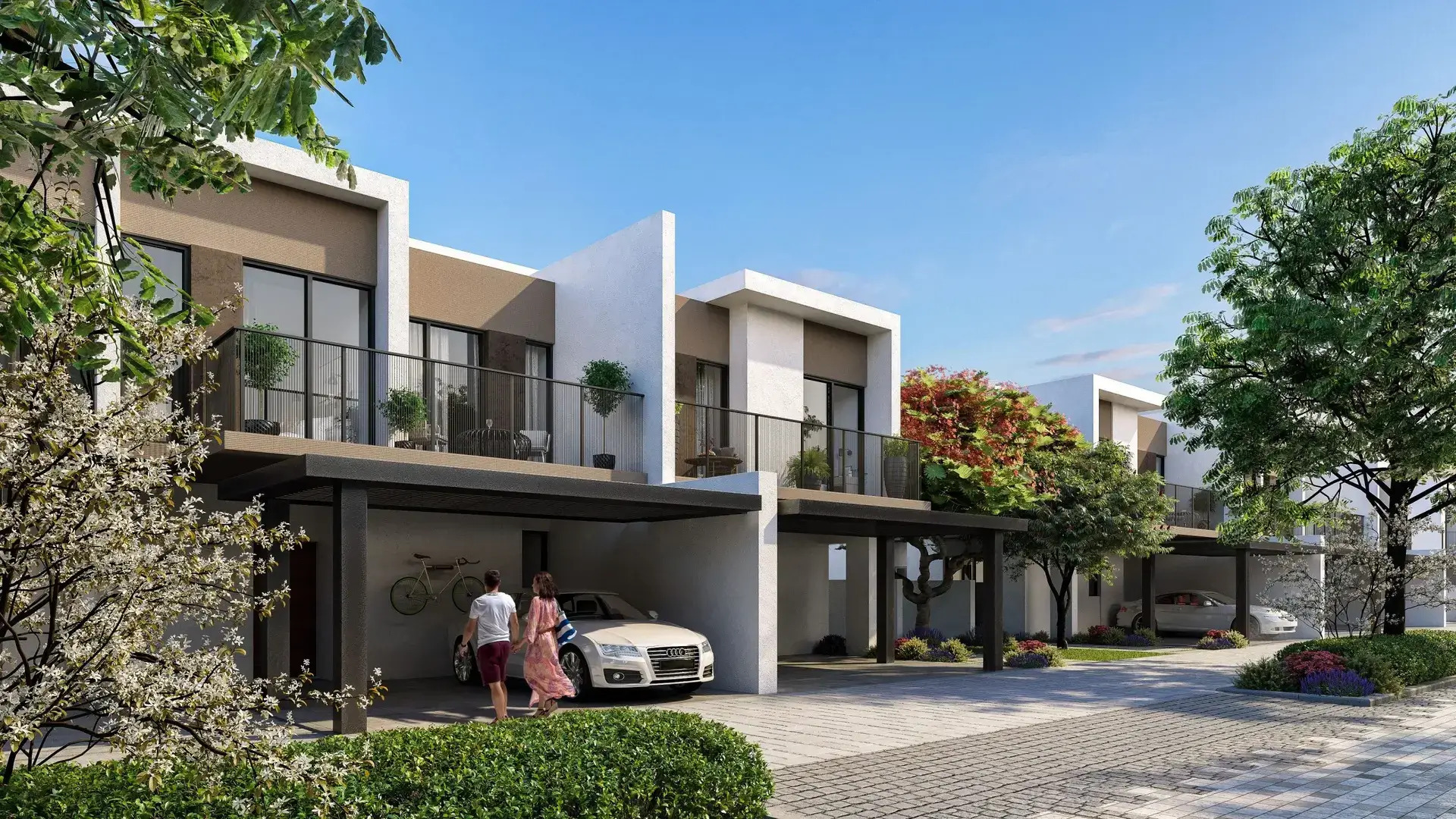
Hawana Salalah is Oman's largest ITC by footprint — a 7-kilometre stretch of white-sand beachfront on the Arabian Sea in the southern Dhofar Governorate, 20 minutes from Salalah International Airport. Developed by Muriya (Orascom Development × OMRAN — the same operator as Jebel Sifah). Four resort hotels on-site — Fanar Hotel & Residences, Salalah Rotana Resort, Juweira Boutique Hotel, The Club by Fanar — plus a 170+ berth marina, the Hawana Aqua Park (12 slides + mega-wave zone), and 30+ waterfront cafés and restaurants along the promenade. The commercial lever is the Khareef monsoon (late June to early September): the Dhofar mountains turn lush green, temperatures drop, waterfalls run, and the region draws heavy leisure traffic from across the Gulf — pushing short-let yields sharply above the annual baseline. Sub-communities include Amazi (waterfront villas + chalets), Riviera Residences (marina apartments), and the established Fanar Residences and Laguna Gardens. Full ITC status: 100% freehold plus investor residency.
Why people choose it
- Khareef is a structural yield advantage. Dhofar's monsoon season pulls heavy short-let demand that no other Oman market has. Developer-quoted yields go from 5–7% annual baseline to 8–10% during Khareef weeks — the only Oman ITC with a genuine seasonality tailwind.
- Lower entry price than any Muscat ITC. Studios listed from OMR 45,000. Even luxury villa product tops out around OMR 350k+ — meaningfully lower than equivalent square-metre pricing in Al Mouj or Muscat Bay.
- Established operator + established stock. Muriya has been operating Hawana since the mid-2010s. The four hotels, marina, water park, and promenade are all functioning — this is a proven destination, not a launch pitch.
- Standard ITC terms. 100% freehold for any nationality plus renewable investor residency. Same legal envelope as Al Mouj / Muscat Bay / Jebel Sifah.
- Family + holiday-home product mix. Amazi's waterfront chalets and villas are sized for family stays; Riviera and Fanar Residences suit smaller lock-and-leave holiday units.
- Diverse buyer base. Attracts retirees looking for a mild Khareef climate, GCC families wanting a monsoon escape, and investors positioning for tourism growth — resale demand isn't concentrated in one buyer segment.
What to weigh
- Salalah is not Muscat. If your life, work, or family sit in Muscat, this is a second-home / investment address, not a primary residence. Muscat–Salalah is a 1,000+ km drive or a ~90-minute flight.
- Yields are lumpy. The 8–10% figure is Khareef-weighted. Off-season occupancy drops significantly — the annual number that matters averages both, and it's the 5–7% end.
- Weather cuts two ways. Cool green Khareef is the pull, but October–April sun is the actual year-round weather. Buy for both seasons, not just the postcard one.
- Regional buyer sentiment matters. Salalah tourism spikes on GCC political + travel dynamics (visa ease, flight availability). Yields are more exposed to regional-tier decisions than a Muscat-based property would be.
- Fewer international schools + specialist healthcare. Salalah has good local options but Muscat's international-school density is deeper. Families relocating full-time should verify the education fit specifically.
- Long haul from resale market. Secondary sales activity is thinner and slower than in Muscat ITCs. Plan on a longer exit window if you need to sell.